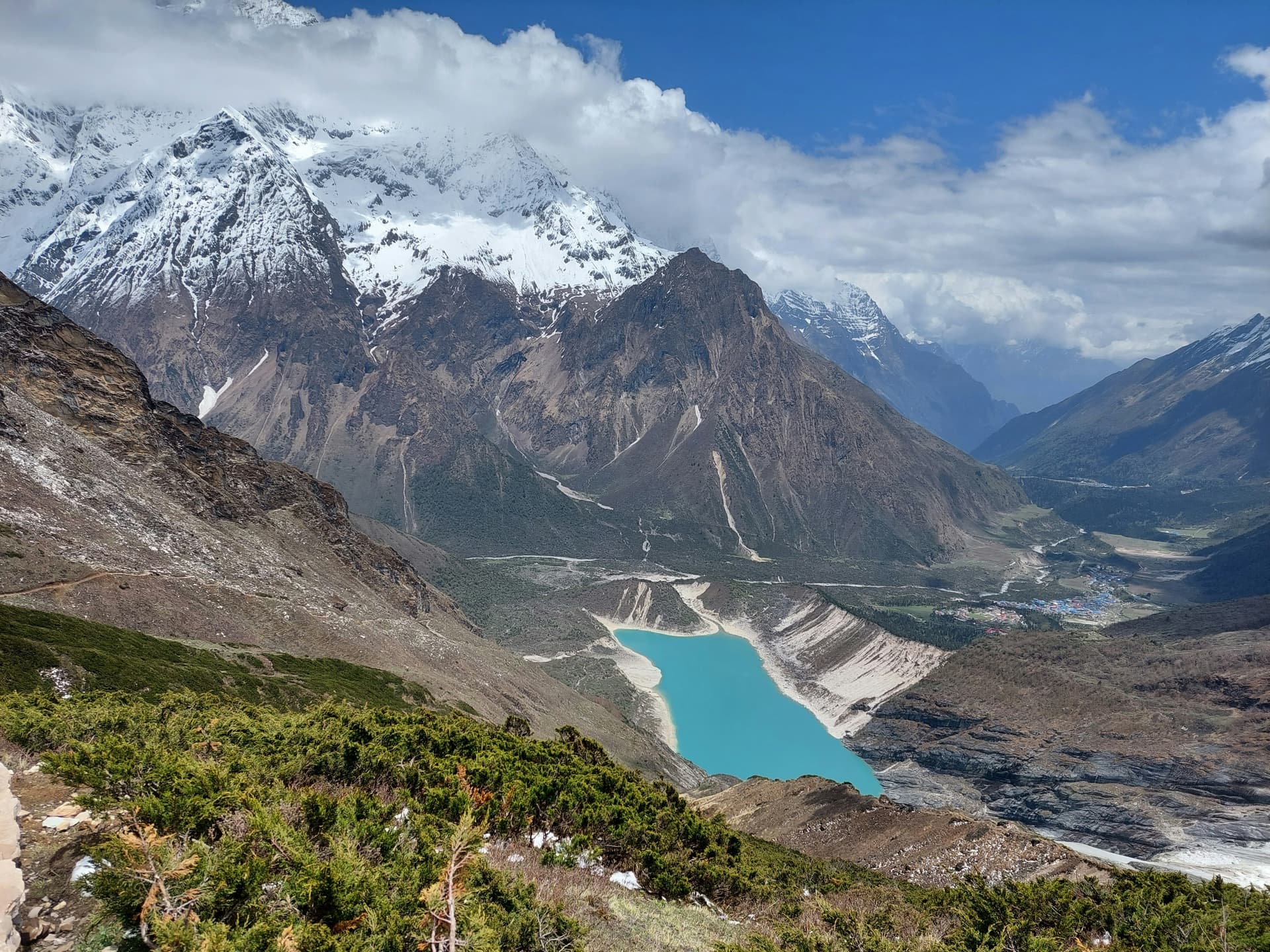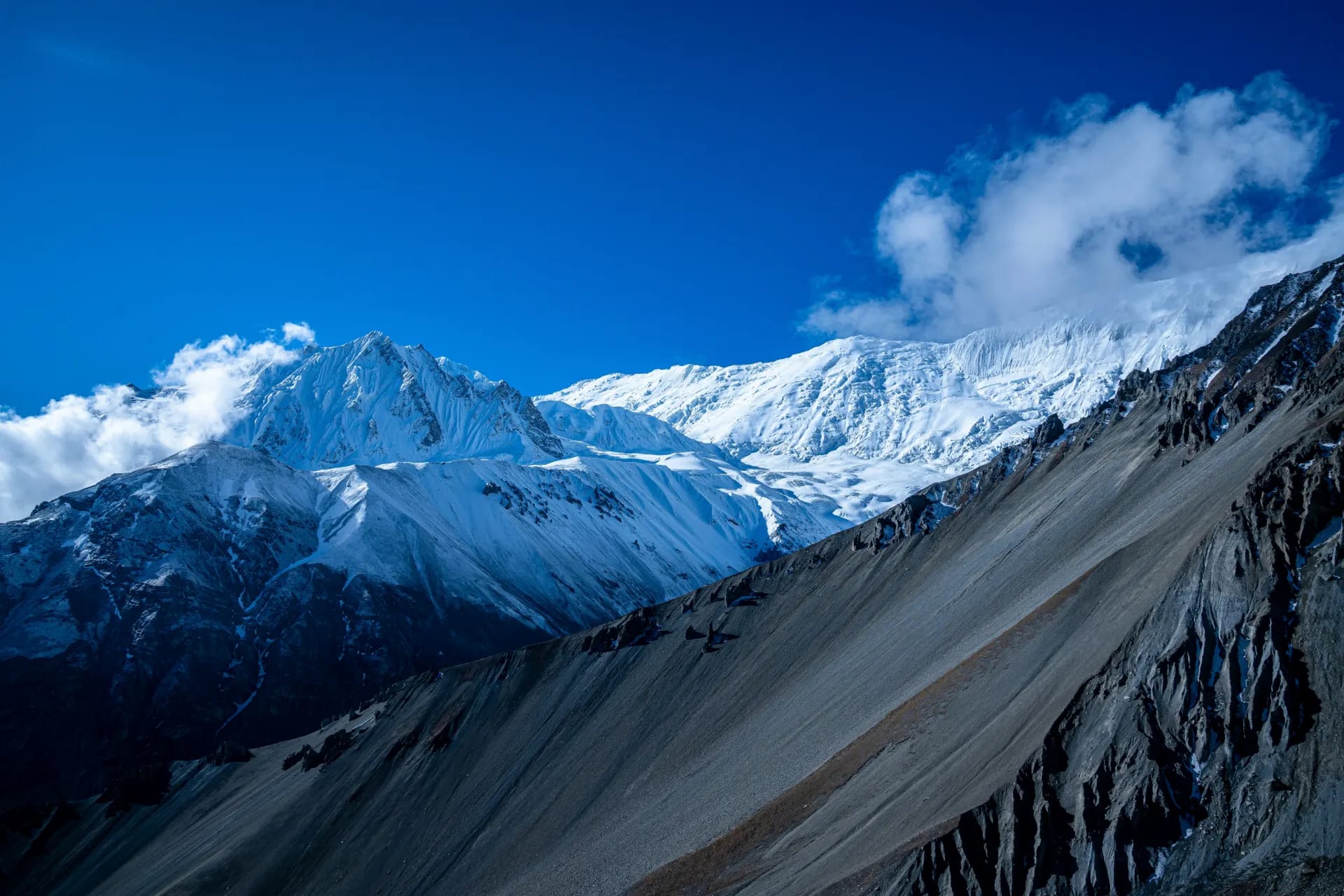
Dhaulagiri Circuit Trek
"Circle the 7th-Highest Mountain on Earth."
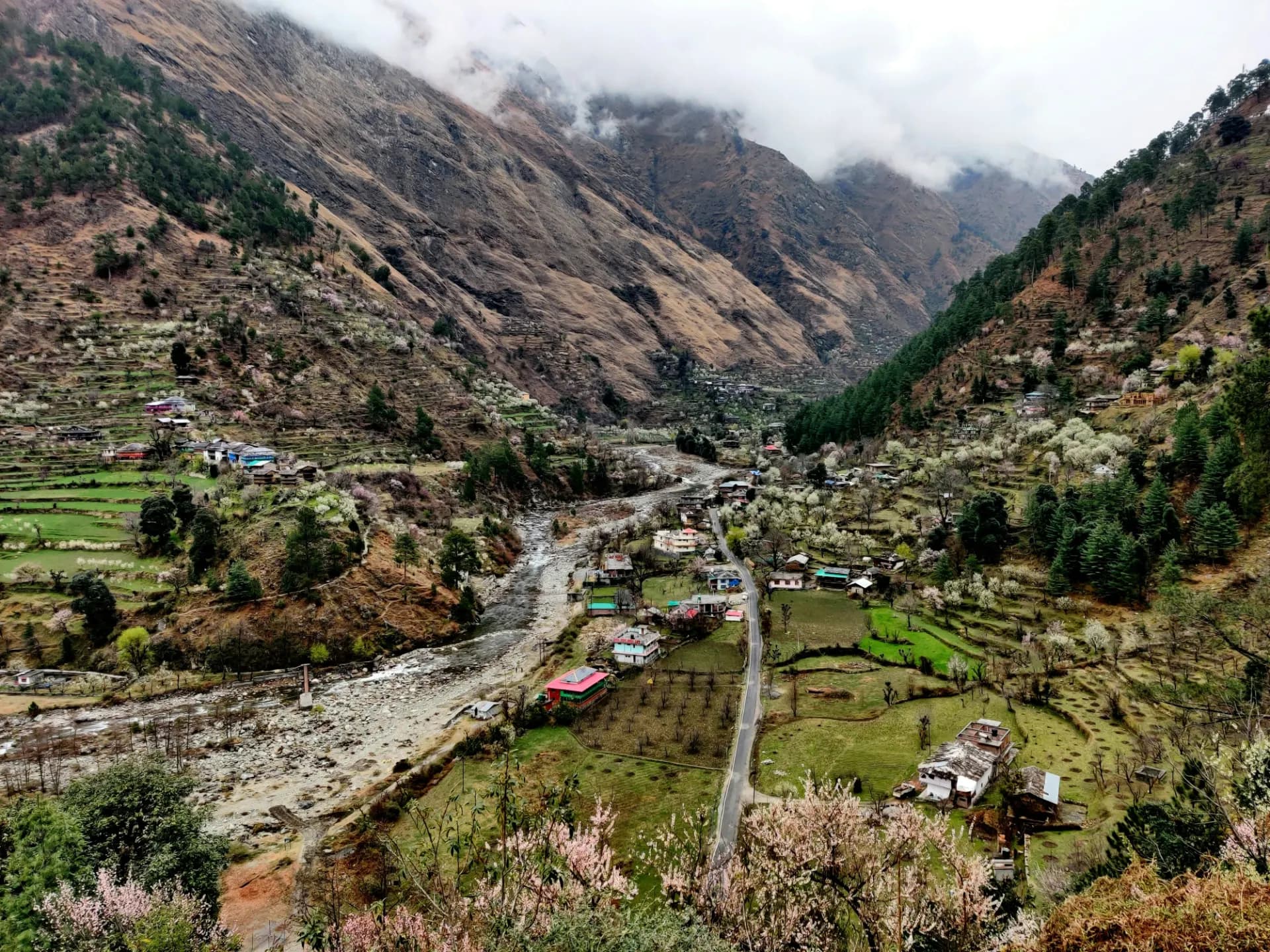
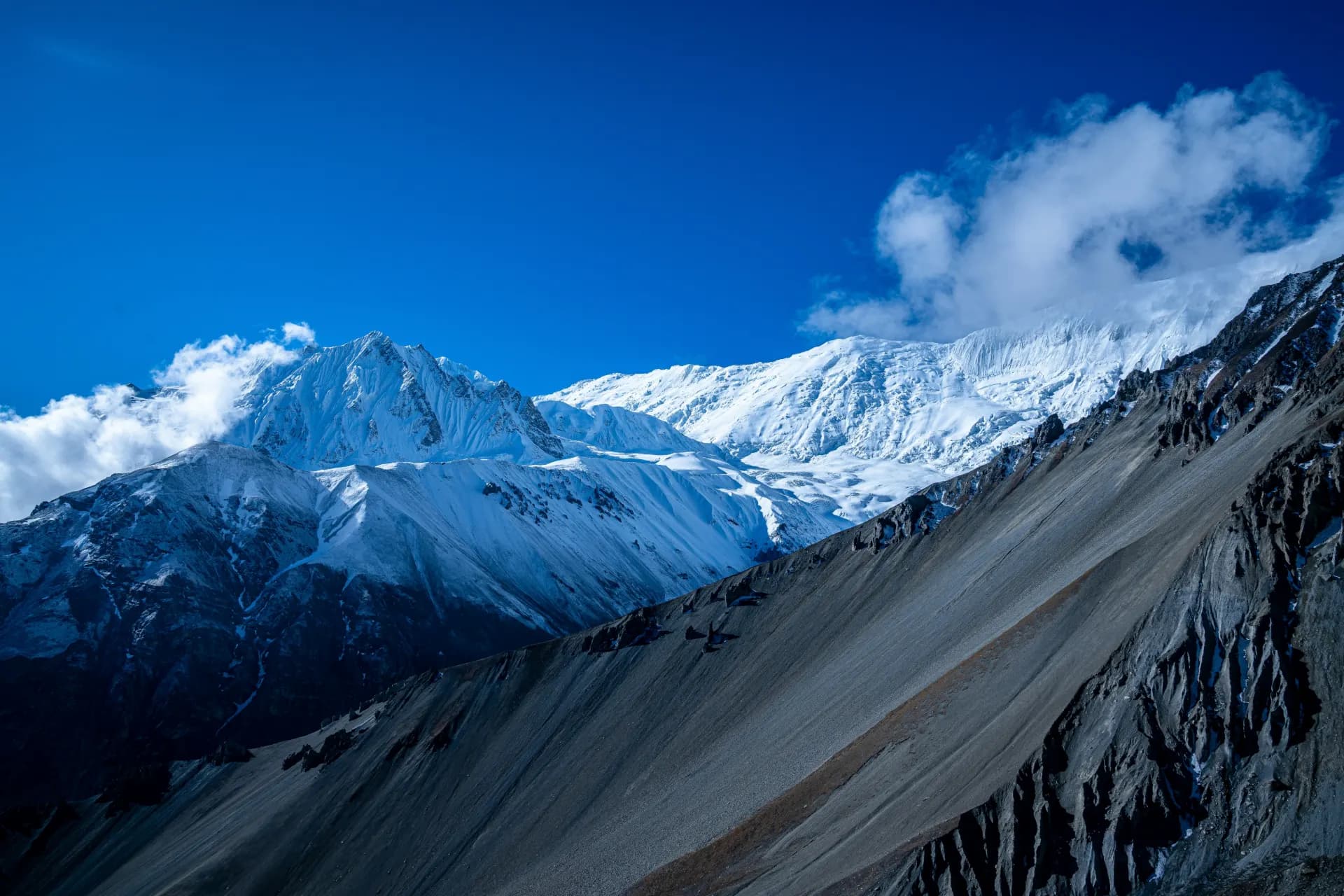
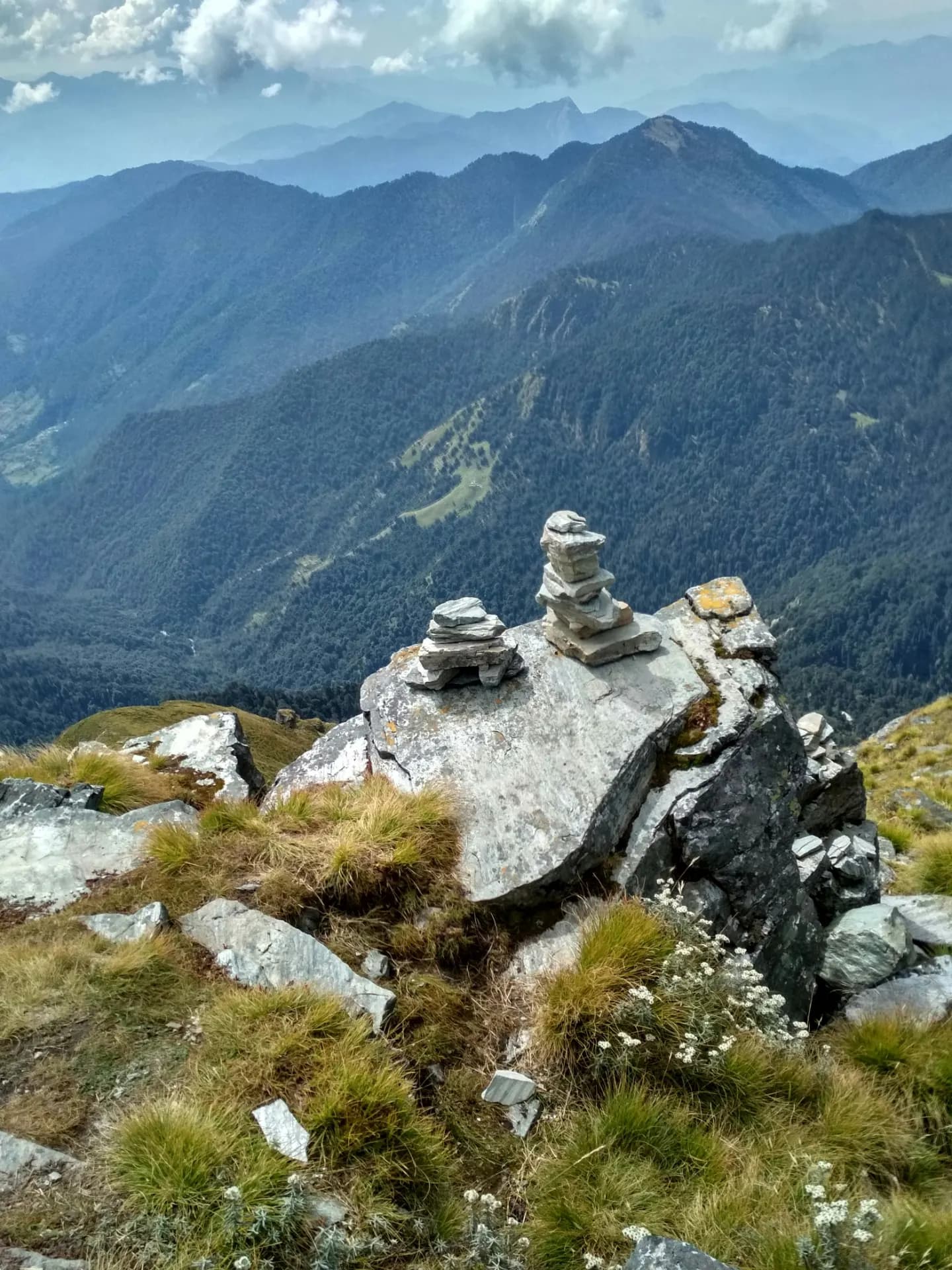
Trek Gallery
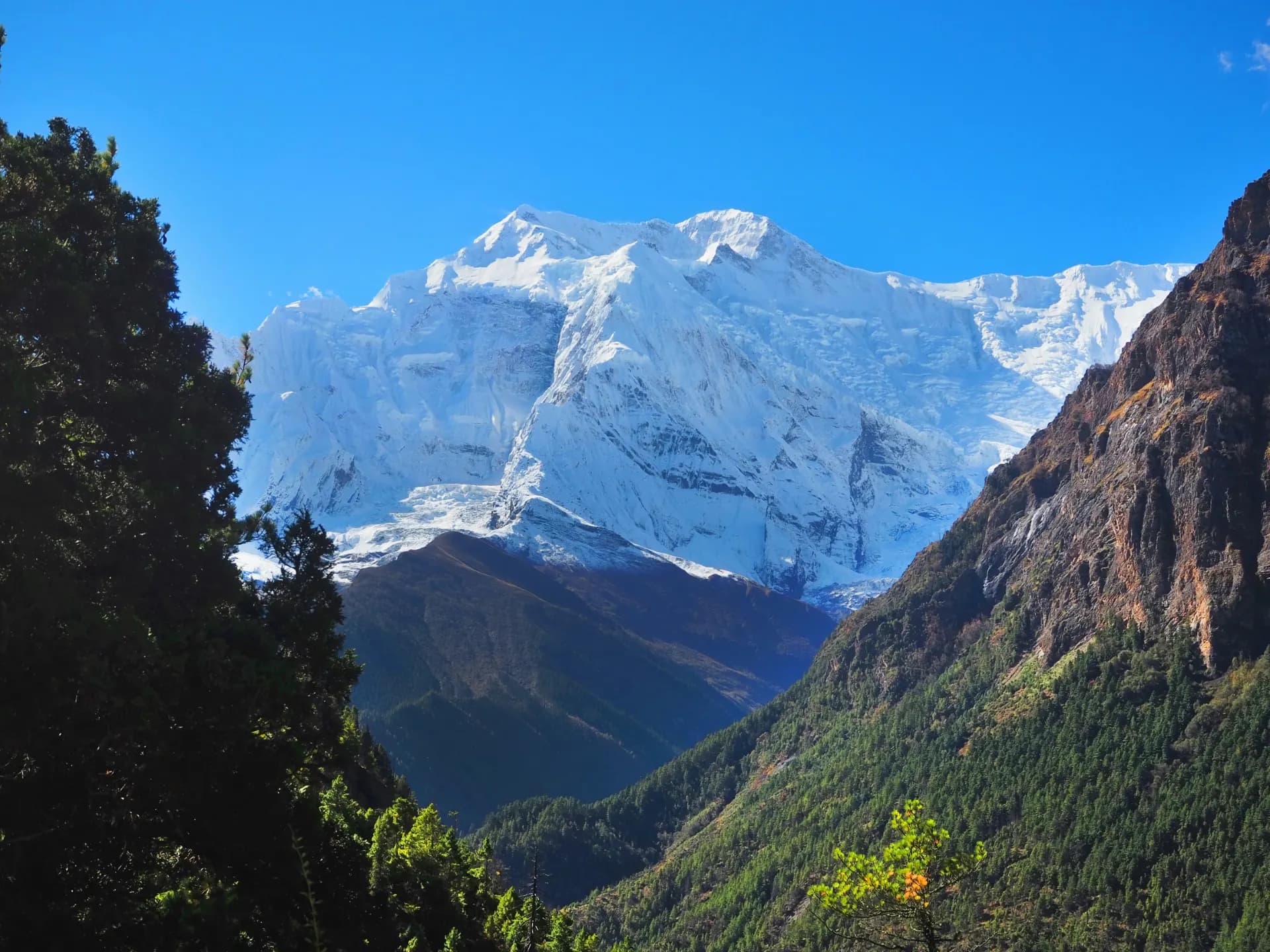
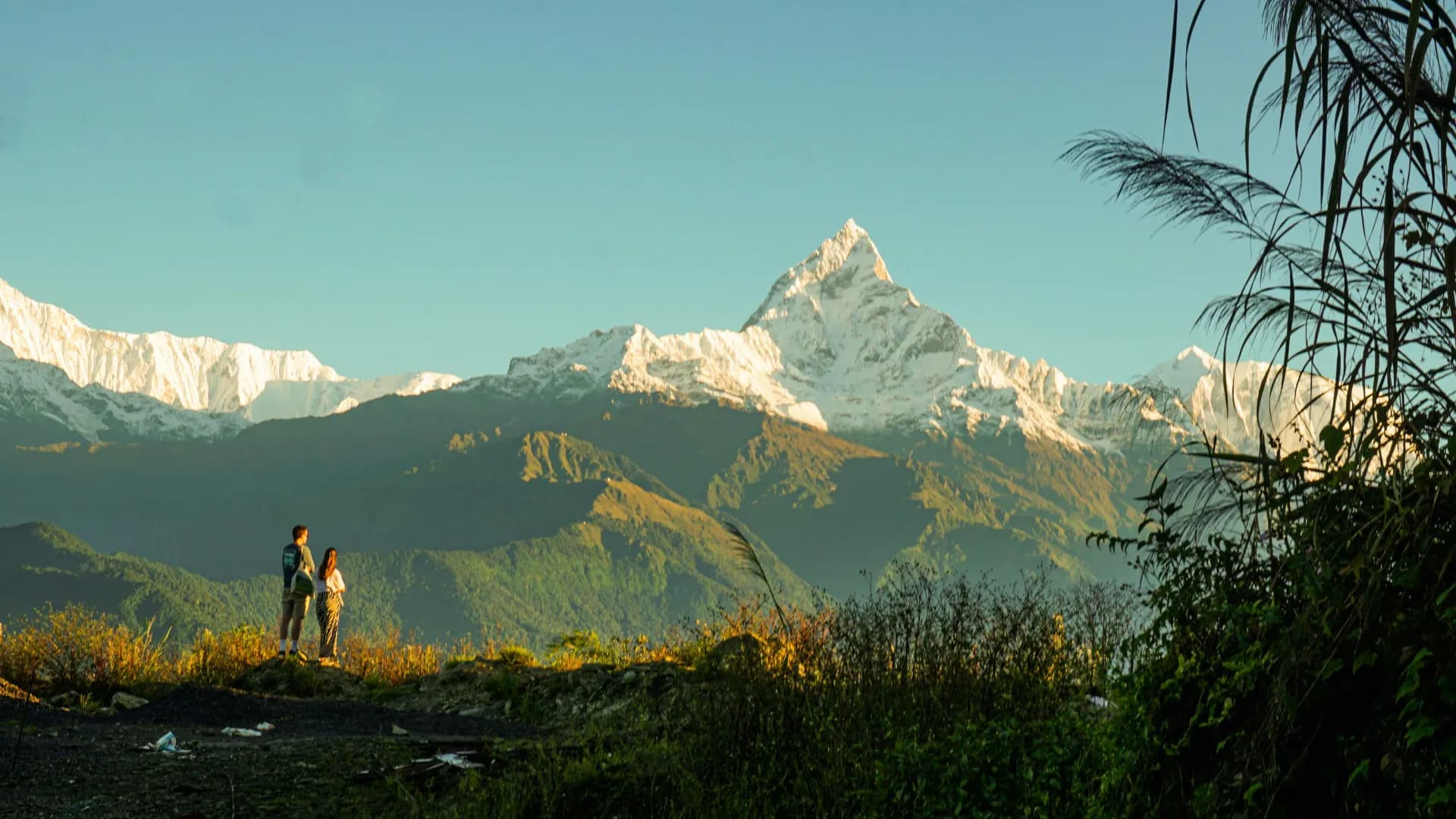
Your Journey Around Dhaulagiri
Follow every step of the Dhaulagiri Circuit Trek — from Kathmandu to Departure. Click on any waypoint to see detailed information.
5,240m
Highest Point
Yak Kharka
150 km
Total Distance
Estimated trail distance
13
Key Waypoints
Villages, camps & peaks
+3,840m
Elevation Gain
From Kathmandu
💡 Tip: Click on any waypoint on the map to see detailed information about that stop
Trek Overview
The Dhaulagiri Circuit Trek is one of the most demanding and remote expedition-style treks in Nepal, circling Mt. Dhaulagiri (8,167m), the world's seventh-highest mountain. Widely regarded as one of the hardest standard treks in the country, it combines extended high-altitude camping, two major passes above 5,000m, and long stretches of genuinely wild terrain with minimal tourist infrastructure.
The journey begins with a drive from Pokhara to Beni and Darbang, before the trail climbs steadily through Magar and Gurung villages, dense forest, and narrowing river valleys toward Italian Base Camp. From there, the route enters increasingly stark glacial terrain, passing Chhonbardan Glacier en route to Dhaulagiri Base Camp itself, set directly beneath the mountain's massive south face. The trek's defining challenge comes next: crossing French Pass (5,360m) into the surreal, windswept expanse of Hidden Valley, followed by a second demanding crossing at Dhampus Pass (5,240m) before descending into the Kali Gandaki valley near Marpha and Jomsom.
This is a trek built for experienced, well-prepared trekkers seeking genuine wilderness, full camping support, extended time above 4,000m, and views of Dhaulagiri, Annapurna, Nilgiri, and Tukuche Peak that very few trekkers in the world ever witness firsthand.
Highlights
Day-by-Day Itinerary
Arrive at Tribhuvan International Airport, meet our representative, and transfer to your hotel. Attend a trip briefing and meet your trekking crew.
Altitude
1400m
Distance
N/A
Meals
N/A
Accommodation
Hotel
What's Included
Included
- Airport pickups and transfers in Kathmandu
- 3-star hotel in Kathmandu and Pokhara
- Tea house and full camping accommodation during the trek
- All meals during the trek (breakfast, lunch, dinner)
- Experienced, government-licensed English-speaking trekking guide
- Full camping support crew (cook, kitchen staff, camp helpers)
- Porter service for camping gear and personal luggage
- Annapurna Conservation Area Permit (ACAP)
- TIMS (Trekker's Information Management System) card
- First aid kit and oximeter
- Trekking map and trip completion certificate
Not Included
- International airfare to/from Nepal
- Nepal tourist visa fee
- Travel and rescue insurance
- Personal expenses (snacks, drinks, souvenirs)
- Hot showers, Wi-Fi, and charging fees (largely unavailable above Italian Base Camp)
- Bottled water and other beverages
- Tips for guide, cook, and porters
- Personal trekking and camping equipment
- Extra nights in Kathmandu or Pokhara beyond the itinerary
- Costs from flight delays due to weather
Accommodation & Meals
Accommodation
You'll spend nights in Kathmandu and Pokhara in comfortable hotels before and after the trek, with a night in Marpha's well-established teahouses on the return leg. For the majority of the trek from Darbang through French Pass, Hidden Valley, and Dhampus Pass, this is a full camping trek, with a dedicated crew of guides, cooks, and porters setting up a mobile tented camp each night, since no permanent infrastructure exists at this altitude or in this remoteness. This is a fundamentally different accommodation style from teahouse-based treks and requires guests to be genuinely comfortable with extended camping.
Meals
All meals during the trek are included and prepared by your dedicated trekking cook and kitchen crew. Meals typically include dal bhat (rice with lentil soup), pasta, soups, seasonal vegetables, and simple breakfast items like porridge and eggs. Vegetarian options are always available. Because supplies must be carried in for the full duration and restocked only rarely, meals are hearty and functional rather than varied.The skill of your camping crew, not restaurant-style variety, is what keeps you well-fed on this expedition.
Difficulty & Fitness
Requirements
- Ability to walk 5–9 hours per day on remote, high-altitude terrain
- Comfortable with two separate passes above 5,000m within a single trek
- No serious heart, lung, or blood pressure conditions
- Prior high-altitude trekking experience strongly recommended
- Comfort with extended, remote camping conditions and limited support
Training Tips
- Start cardio training 3–4 months before the trek
- Include regular multi-day hikes with a loaded backpack
- Add stair climbing and sustained leg-strengthening work
- Build up to walking 15+ km comfortably at altitude
- Consider a shorter high-altitude trek (Everest Base Camp, Manaslu) as preparation if this would be your first major expedition
Packing List
- Moisture-wicking base layers (4–5)
- Waterproof outer shell jacket
- Warm hat and sun hat
- Warm socks (5–6 pairs)
- Insulating fleece/down jacket (expedition-grade)
- Trekking pants (2–3 pairs)
- Gloves (liner + insulated, expedition-grade)
- Comfortable camp clothes
Best Time to Trek
March - May (Spring)
Pros
- Passes generally clearing of heavy winter snow by late spring
- Wildflowers and greenery at lower elevations
- Good visibility for the French Pass and Dhampus Pass crossings
Cons
- Early spring can still see significant snow at both passes
- Cold nights at Dhaulagiri Base Camp and Hidden Valley
Safety & Altitude Awareness
Safety Measures
- All guides are government-licensed and experienced specifically in expedition-style camping treks
- Full support crew (guide, cook, porters) trained in remote first response
- Guides carry first aid kits and pulse oximeters
- Regular altitude/health checks throughout the trek, especially around both major passes
Altitude Sickness
- Acute Mountain Sickness (AMS) is a serious consideration on this trek, given two separate crossings above 5,000m and extended time at altitude
- Symptoms: headache, nausea, fatigue, difficulty sleeping
- Prevention: proper acclimatization, hydration, gradual ascent
- Our itinerary includes dedicated acclimatization days at Italian Base Camp and Dhaulagiri Base Camp
Emergency Protocol
- Satellite communication support carried by your guide, given limited mobile network coverage in this region
- Helicopter evacuation can be arranged, though response times are longer given the extreme remoteness, particularly around French Pass and Hidden Valley
- Portable oxygen carried by the support crew
- Rescue coverage must be included in your insurance
- Nearest medical facilities: basic health post in Beni, with full medical care only available back in Pokhara or Kathmandu
Frequently Asked Questions
Ready for Your Adventure?
Join trekkers from around the world on this life-changing journey.
$3,200
per person
18 Days
adventure
3.4
0 reviews
You Might Also Like
Discover other amazing adventures that might catch your eye.