Manaslu Circuit Trek
"Circle the 8th Highest Peak on Earth."
Trek Gallery

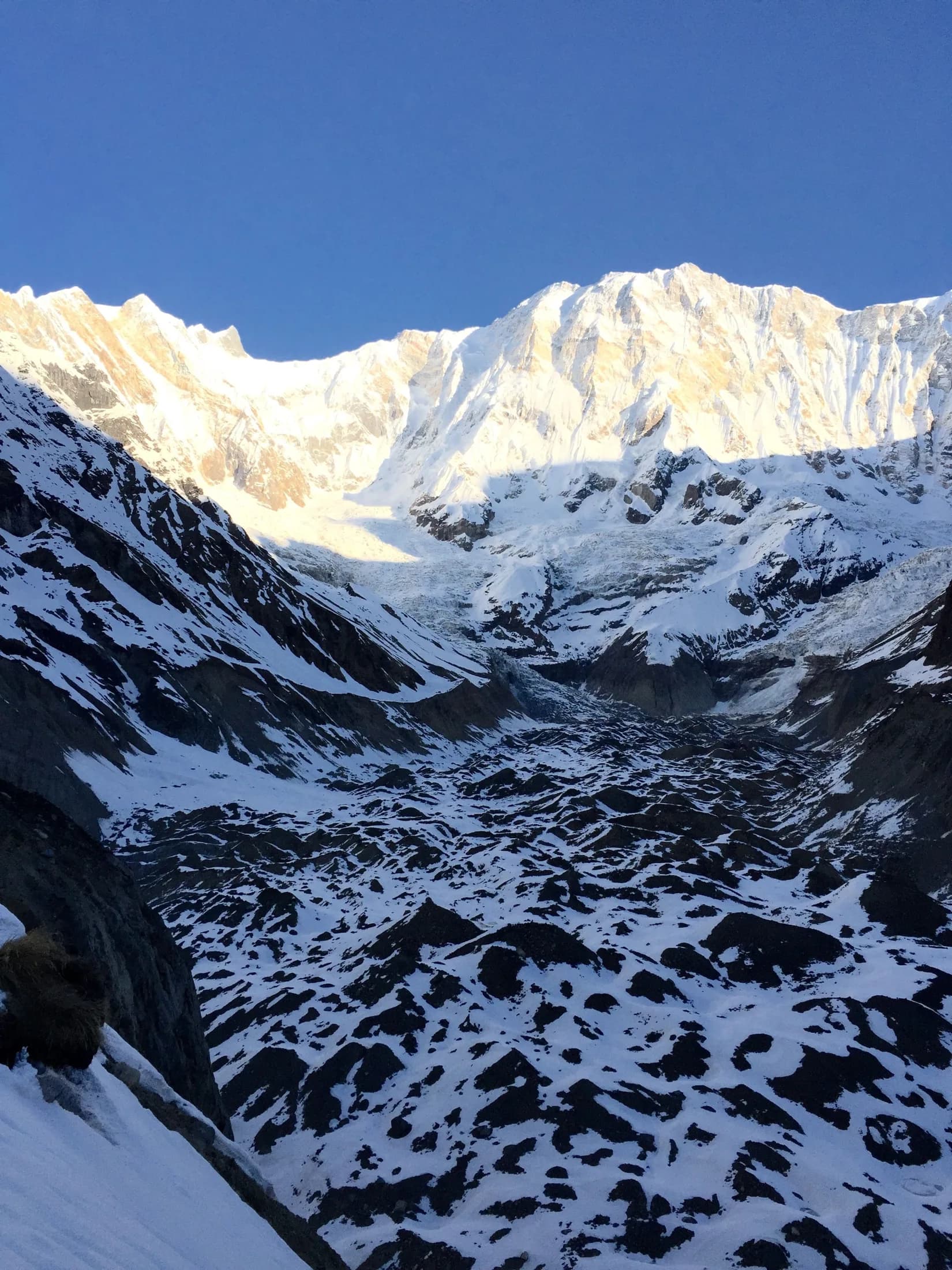
Himalayan trail beneath the high peaks
landscape
Prayer flags along the mountain route
landscape
Sunrise across the Himalayan range
landscape
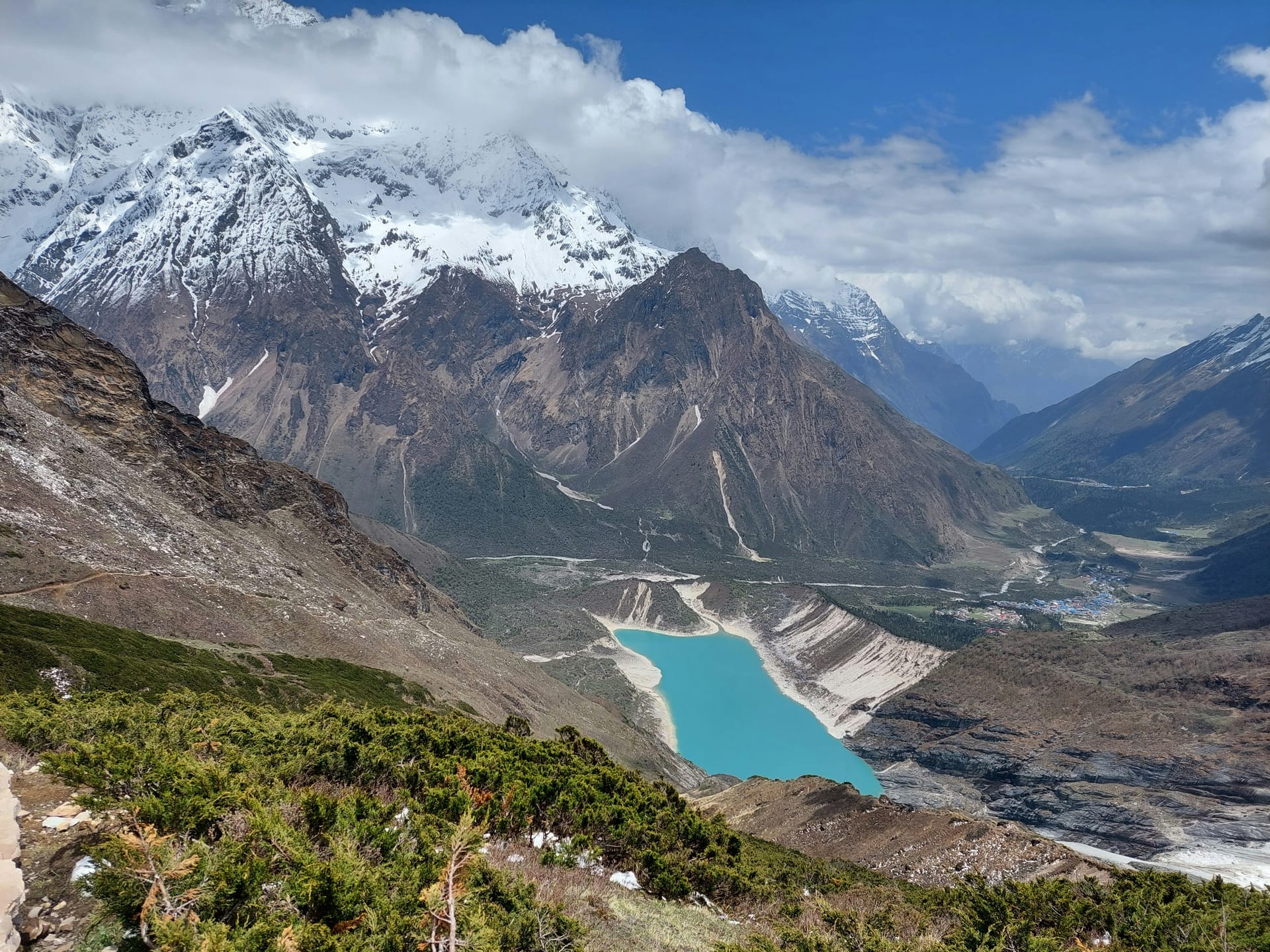
High-altitude landscape on the circuit
landscape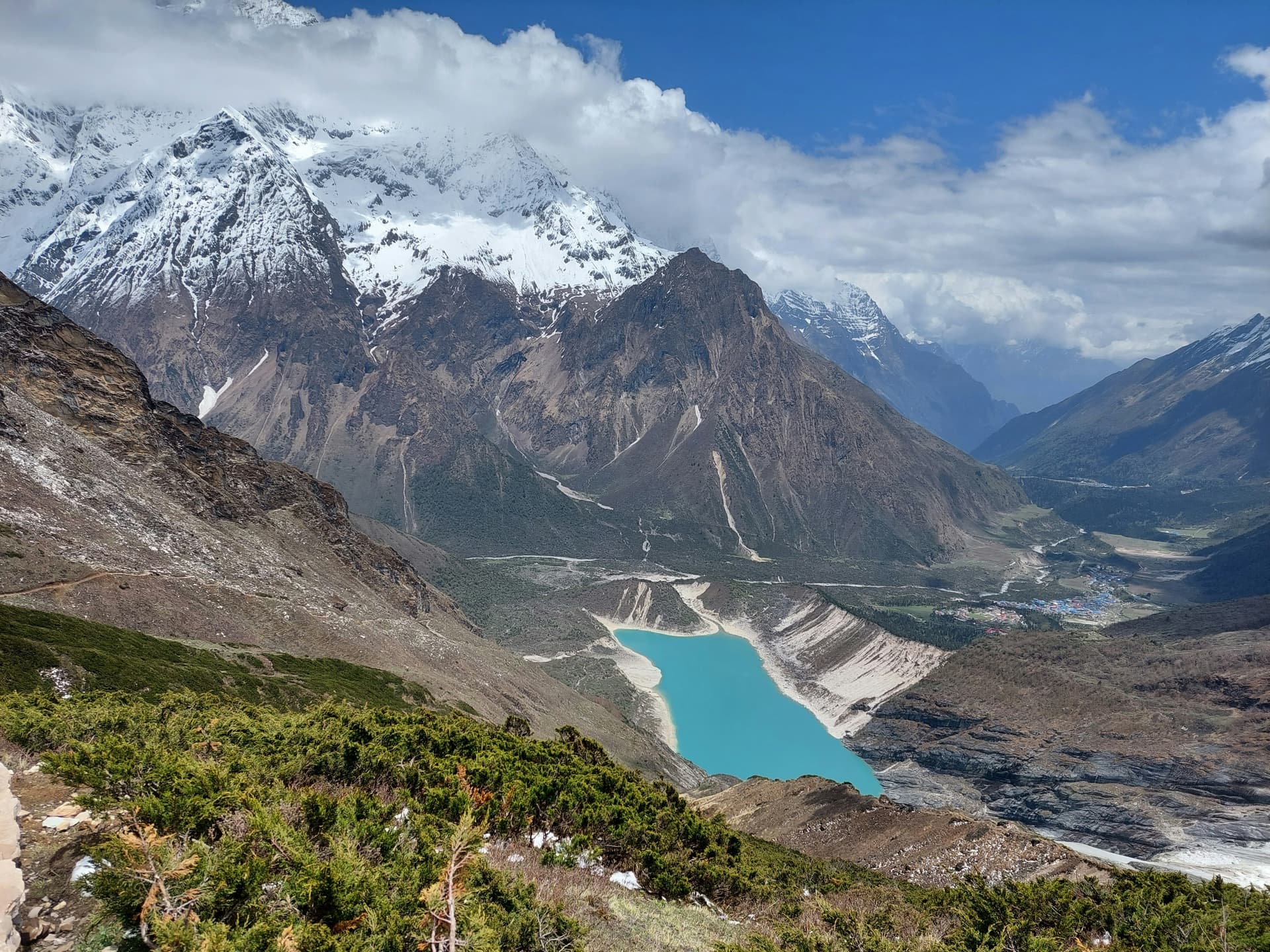
-
Follow every step of the Manaslu Circuit Trek — from Soti Khola to Kathmandu. Click on any waypoint to see detailed information.
5,106m
Highest Point
Bhimtang
170–180 km
Total Distance
Estimated trail distance
13
Key Waypoints
Villages, camps & peaks
+4,406m
Elevation Gain
From Soti Khola
💡 Tip: Click on any waypoint on the map to see detailed information about that stop
Trek Overview
The Manaslu Circuit Trek is one of Nepal's last great wilderness routes, circling Mt. Manaslu (8,163m), the eighth-highest peak on Earth. Opened to foreign trekkers only in the early 1990s, this restricted-area trail still sees a fraction of the footfall found on the Everest or Annapurna routes. Along the way, you'll follow the Budhi Gandaki River through Tibetan-influenced villages, cross the Nepal-Tibet borderlands, and climb into the stark high-altitude terrain beneath Manaslu's north face. The journey culminates at Larkya La Pass (5,106m), one of the most demanding and rewarding crossings in the Himalayas. This is a trek for those who want more than a checklist summit; it's an immersion into remote mountain culture, largely untouched by mass tourism, that rewards every uphill step with a landscape few outsiders ever see.
Highlights
Day-by-Day Itinerary
Pass through Dhading Besi and Arughat before reaching Soti Khola. Enjoy views of terraced hillsides and the Budhi Gandaki River valley.
Altitude
700m
Distance
N/A
Meals
Welcome Dinner
Accommodation
Tea House
What's Included
Included
- Hotel accommodation in Kathmandu (before and after the trek)
- Tea house accommodation during the trek
- Daily breakfast, lunch, and dinner during trekking
- All ground transportation as per the itinerary
- Airport or tourist bus station transfers
- Government-licensed English-speaking trekking guide
- Porter service (1 porter for every 2 trekkers)
- Manaslu Restricted Area Permit (RAP)
- Manaslu Conservation Area Permit (MCAP)
- Annapurna Conservation Area Permit (ACAP)
Not Included
- International airfare to/from Nepal
- Nepal visa fee ($50 for 30 days)
- Travel insurance (mandatory - must cover high altitude)
- Lunch and dinner in Kathmandu
- Personal trekking gear and clothing
- Personal expenses (laundry, phone, hot showers, charging)
- Tips for guides and porters (recommended)
- Emergency evacuation/helicopter rescue
- Alcoholic and bottled beverages
- Any costs arising from unforeseen circumstances
Accommodation & Meals
Accommodation
Throughout the trek, you'll stay in traditional teahouses (lodges). These are basic mountain lodges run by local Gurung and Tibetan families. Rooms are twin-share with a bed, blanket, and pillow. Above Samagaon, facilities become noticeably more basic, with shared squat-style toilets and limited hot water. Hot showers and Wi-Fi are available at lower stops (extra charge), but grow scarce near the pass.
Meals
All meals during the trek are included. Breakfast typically consists of porridge, eggs, pancakes, and Tibetan bread. Lunches and dinners feature local dal bhat (rice with lentil soup), thukpa (noodle soup), momos, and simple pasta dishes. Vegetarian options are always available. Menu variety narrows at higher altitudes, where supplies must be carried in on foot.
Difficulty & Fitness
Requirements
- Ability to walk 5-7 hours per day on uneven terrain
- Comfortable hiking up and down steep trails
- No serious heart, lung, or blood pressure conditions
- Previous hiking experience highly recommended
- Mental resilience for challenging days
Training Tips
- Start cardio training 3-6 months before the trek
- Include regular hiking with a loaded backpack
- Practice stair climbing (up and down)
- Strengthen leg muscles with squats and lunges
- Work on core strength for balance on uneven terrain
- Altitude simulation training if available
Packing List
- Moisture-wicking base layers (3-4)
- Waterproof outer shell jacket
- Warm hat and sun hat
- Warm socks (4-5 pairs)
- Insulating fleece/down jacket
- Trekking pants (2 pairs)
- Gloves (liner + insulated)
- Comfortable camp clothes
Best Time to Trek
Spring (March – May)
Pros
- Excellent visibility of Manaslu, Himlung Himal, and Ganesh Himal
- Rhododendron and forest trails in vivid bloom at lower elevations
- Larkya La Pass generally clear of fresh snow
- Warmer temperatures at lower elevations
- Longer daylight hours
Cons
- Occasional afternoon haze at lower elevations
- Colder nights than autumn at higher camps
- Late-spring snowmelt can affect trail conditions near the pass
Safety & Altitude Awareness
Safety Measures
- All guides are licensed by the Nepal Tourism Board and registered through a TAAN-affiliated trekking agency, as legally required for this restricted region
- Guides carry first aid kits and pulse oximeters
- Regular altitude/health checks throughout the trek, especially in the days approaching Larkya La
- 1:4 guide-to-trekker ratio (maximum)
Altitude Sickness
- Acute Mountain Sickness (AMS) affects many trekkers above 3,000m, particularly past Samagaon
- Symptoms: headache, nausea, fatigue, difficulty sleeping
- Prevention: proper acclimatization, hydration, gradual ascent
- 1 acclimatization day at Samagaon with a gradual altitude gain.
Emergency Protocol
- 24/7 emergency contact support from Kathmandu office
- Helicopter evacuation available (weather permitting)
- Portable oxygen available at high camps
- Rescue coverage must be included in your insurance
- Nearest medical facilities: basic health post in Samagaon, with full medical care only available back in Kathmandu
Frequently Asked Questions
Ready for Your Adventure?
Join trekkers from around the world on this life-changing journey.
$1,999
per person
14 Days
adventure
4.8
0 reviews
You Might Also Like
Discover other amazing adventures that might catch your eye.